
Phytoseiulus Persimilis Red Spider Mite Control 2000 Mites
Phytoseiulus Persimilis Red Spider Mite Control 2000 Mites is backordered and will ship as soon as it is back in stock.
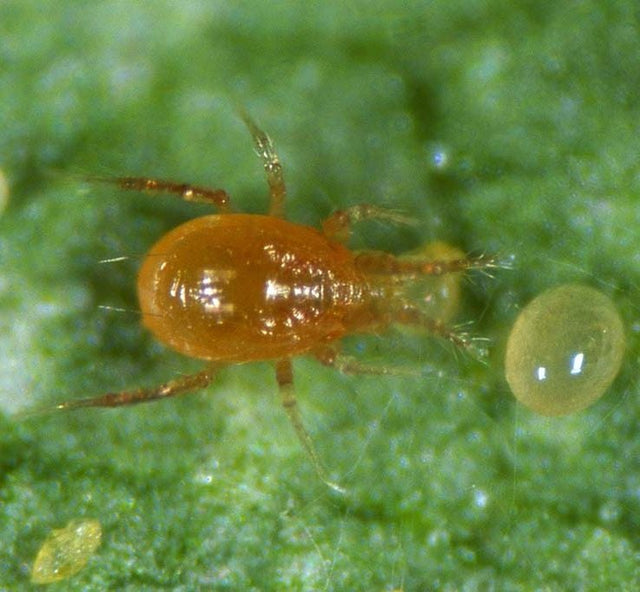
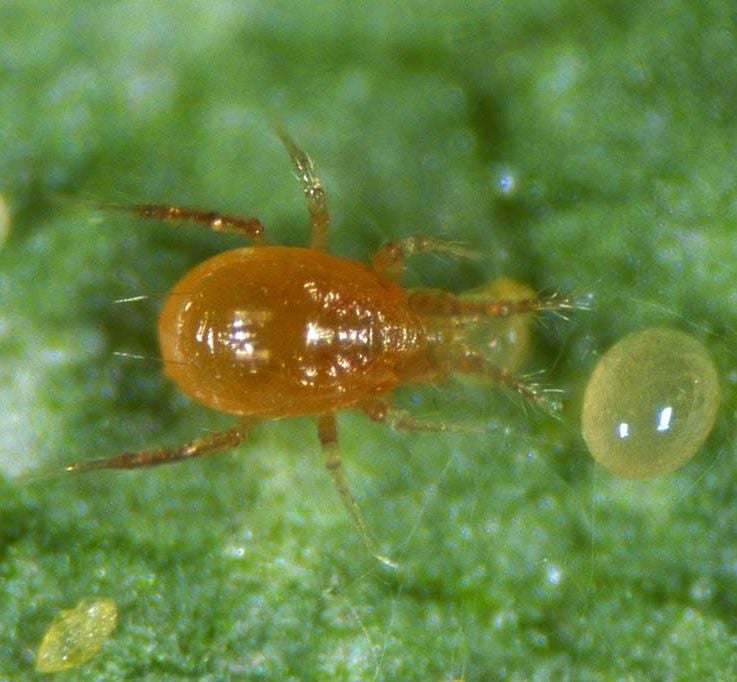
Phytoseiulus is one of the best methods for controlling red spider mite and is widely used by both amateur gardeners and commercial growers. They are tiny predatory beneficial mites, shiny orange and fast moving, they feed on the eggs, young and adults of the spider mite. Phytoseiulus breed very rapidly and spread across foliage, ideal for both inside and outside.
The mites look actively for prey (all life stages of the red spider mite) and suck them empty. The ideal temperature for predatory mites is between 15 and 25°C.
One bottle contains 2000 mites. Application is approx 10 mites per sq.m.
One bottle treats up to 100sq.m
Phytoseiulus are very effective and in the right conditions can achieve a complete clean up in several weeks. For severe outbreaks it is recommended that a further treatment is used two weeks later.
If you want to order two treatments at once just select the date for the first order then add to basket then the second date and add that to the basket.
Application Rate: The dosage of Spidex depends on climate, crop and spider mite density and should always be adjusted to the particular situation. Start introduction as soon as the first pest mites are detected in the crop. Introduction rates typically range from 2-50 per m2/release. Releases should be repeated once or twice at weekly intervals.
Application Method: Turn and shake the bottle gently before use. Push the centre of the cap to open the dosage hole. Sprinkle material on leaves. Make sure the material remains on the introduction site for at least a few hours after introduction. Can also be applied with Natutec Airobreez, Natutec Mini-Airbug, Natutec Airbug or Natutec Airobug. Storage time after receipt: Apply as soon as possible after receipt. If necessary, the product can be stored for 1-2 days. Storage temperature: 8-10°C/47-50°F. Storage conditions: In the dark, bottle horizontally.
Please note: Orders for our biological products are sent directly from our supplier
Phytoseiulus Persimilis Red Spider Mite Control 2000 Mites