


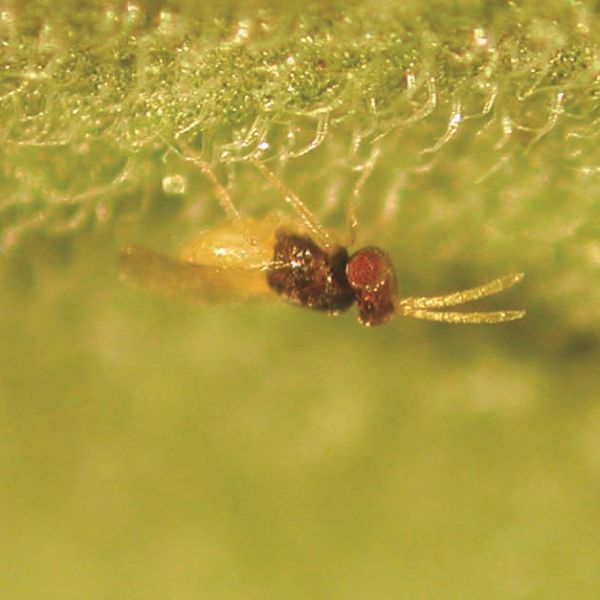

Encarsia Formosa – Whitefly Control
Encarsia Formosa – Whitefly Control is backordered and will ship as soon as it is back in stock.
Encarsia Formosa is a natural and effective solution for managing whiteflies in greenhouse environments. This biological control method involves specially cultivated organisms that help reduce whitefly populations by disrupting their life cycle.
How It Works:
Encarsia Formosa develops within whitefly larvae. Over approximately 10 days, the affected larvae change color and stop developing. Within another 10 to 14 days, the cycle continues as new beneficial organisms emerge, ready to target additional whitefly populations.
Why Choose Encarsia Formosa?
Whiteflies are small, white, powdery insects (around 1 mm in size) that feed on plant sap, leading to stunted growth and the spread of plant diseases. Their larvae and adult forms also produce a sticky residue called honeydew, which promotes mold growth. Encarsia Formosa helps reduce whitefly populations, leading to healthier plants.
Product Details:
- Each packet contains 50 hanging cards, with 60 beneficial pupae per card (total: 3,000).
- Designed for use in greenhouses and controlled environments.
- Best applied at temperatures of 16°C or higher.
- Effective coverage depends on the crop, area, and level of whitefly presence (recommended: one card per 5–10 metres).
- Safe for plants, people, and pets.
Application Instructions:
Simply hang the provided cards among crops, ensuring they are evenly distributed for optimal effectiveness. The presence of whiteflies is necessary for sustained effectiveness, as this solution naturally integrates into the existing ecosystem.
Important Note:
This biological product is shipped directly from our supplier to maintain quality and effectiveness.
Encarsia Formosa – Whitefly Control
Reviews
Reviews
How To Use
How To Use
Instructions for use:
Separate individual cards by tearing strips along perforations.
Always handle cards by the tops. This prevents damage to Encarsia in the card recess circle.
Place or hang cards in a shady position level with lower leaves- making sure these are no in direct sunlight as we discussed these cards can be turned around so the back of the card is exposed and not the wasps.
Avoid contact with growing media.
Distribute cards uniformly throughout crop.
Ensure the cards don’t not get wet.
